Seamless Watercolor Gingham Papers: A Comprehensive Guide to Digital Design Assets
In the evolving landscape of digital design, texture and pattern play pivotal roles in establishing visual hierarchy and emotional resonance. Among the vast array of available textures, Seamless Watercolor Gingham Papers have emerged as a versatile and aesthetically pleasing option for creators across various disciplines. This specific category of digital assets combines the classic, structured look of gingham checks with the organic, soft edges characteristic of watercolor artistry. The result is a unique hybrid that offers both order and whimsy, making it suitable for everything from high-end packaging design to casual social media graphics.
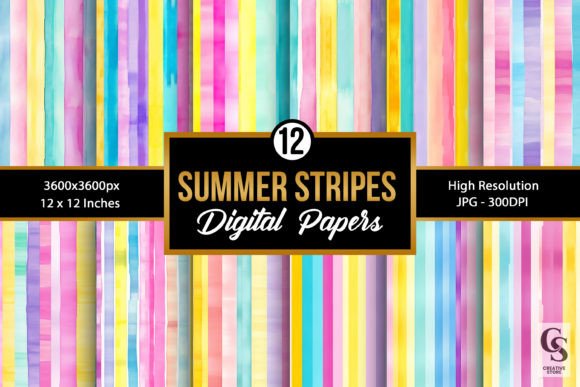
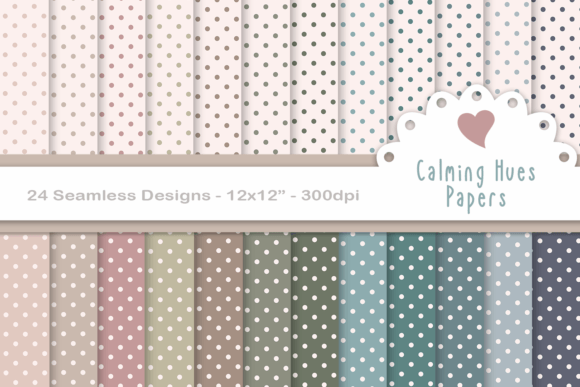
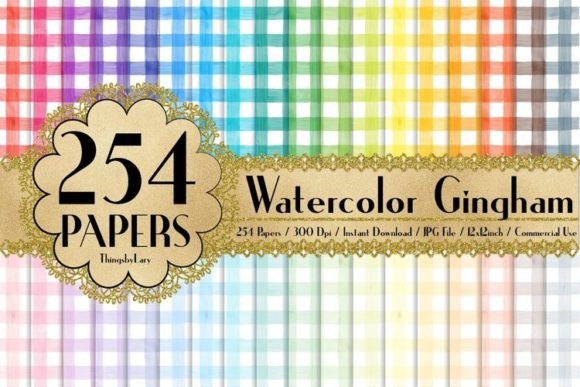
Understanding the technical specifications and practical applications of these digital papers is essential for maximizing their utility. A comprehensive collection often includes a significant volume of variations, such as packs containing 254 distinct JPG images. Each file is meticulously crafted to ensure high-quality output, typically featuring dimensions of 12 x 12 inches (30.48 cm) at a resolution of 300 dpi. These technical details are not merely statistics; they represent the foundation of professional-grade design work where clarity, scalability, and print fidelity are paramount.
The Aesthetic Appeal of Watercolor Gingham
Gingham, traditionally a lightweight plain-woven cloth, is instantly recognizable by its checked pattern. In the context of digital art, replicating this pattern requires precision. However, when rendered through a watercolor technique, the rigid geometry of the check is softened. The "bleed" effect of watercolor paint creates irregular, organic borders around the colored squares, introducing a hand-crafted feel to what would otherwise be a purely geometric design.
This aesthetic is particularly valuable in industries where authenticity and warmth are desired. For instance, in branding, a logo or background utilizing Seamless Watercolor Gingham Papers can convey a sense of approachability and creativity. It suggests that the brand values human touch and artisanal quality over sterile, mass-produced perfection. The softness of the watercolor texture mitigates the potential harshness of high-contrast checks, resulting in a visual experience that is engaging without being overwhelming.
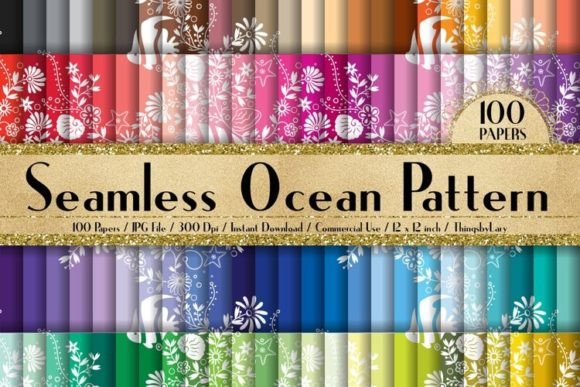
Furthermore, the availability of 254 different colors within a single pack allows for an unprecedented level of customization. Designers are no longer limited to traditional reds, blues, or greens. They can match exact brand palettes, create seasonal themes, or experiment with pastel combinations that were previously difficult to source in physical form. This diversity ensures that the asset remains relevant across diverse projects and target demographics.
Technical Specifications and Quality Assurance
When selecting digital paper assets, understanding the underlying file structure is crucial for ensuring the final product meets professional standards. The standard specification for high-quality digital papers involves three key metrics: resolution, dimensions, and format.
- Resolution: At 300 dpi (dots per inch), the image density is sufficient for high-resolution printing. This is the industry standard for commercial printing, including brochures, business cards, and large-format posters. Lower resolutions, such as 72 dpi, are generally reserved for screen-only use and may appear pixelated when printed. By providing 300 dpi files, the pack ensures that users can transition seamlessly from digital mockups to physical products without losing quality.
- Dimensions: The 12 x 12 inches (30.48 cm) measurement is a conventional size in the scrapbooking and digital craft community. While this square format is popular, the true power of these assets lies in their seamless nature. Because the pattern tiles perfectly, designers can extend the canvas indefinitely. Whether creating a small Instagram story background or wrapping a large billboard, the pattern will repeat without visible seams or awkward breaks.
- Format: The use of JPG format ensures broad compatibility. Almost all design software, from Adobe Photoshop and Illustrator to Canva and Microsoft PowerPoint, supports JPG files. This universality reduces friction in the workflow, allowing educators, hobbyists, and professionals to integrate the assets quickly without needing specialized converters or plugins.
Practical Applications Across Industries
The versatility of Seamless Watercolor Gingham Papers extends far beyond simple background usage. Their application spans multiple sectors, each leveraging the unique blend of structure and softness for different strategic goals.
Graphic Design and Branding
For graphic designers, these papers serve as excellent backgrounds for logos, typography layouts, and marketing materials. The subtle texture adds depth to flat designs, preventing them from appearing too stark. A wedding invitation suite, for example, might use a soft blue watercolor gingham as a base layer, overlaid with elegant serif fonts and gold foil accents. The contrast between the formal typography and the playful background creates a balanced and memorable visual identity.
Textile and Fabric Design
One of the most promising applications for seamless patterns is in the textile industry. With the rise of print-on-demand services, independent designers can create fabric patterns and sell them on platforms like Spoonflower or Redbubble. The seamless tiling capability of these digital papers makes them ideal for apparel, home decor items like curtains and cushions, and accessories. The watercolor effect translates beautifully to fabric, offering a look that mimics hand-painted textiles while maintaining the consistency required for mass production.
Educational Materials and Children’s Content
Educators and content creators for children find gingham patterns particularly appealing due to their association with picnics, summer days, and school supplies. Worksheets, classroom decorations, and educational apps can benefit from the cheerful yet organized look of watercolor gingham. The 254 color options allow teachers to align materials with specific learning themes, such as using green for nature units or purple for creative arts weeks.
Packaging and Product Design
In retail, packaging is the first point of contact with the consumer. Products ranging from candles and soaps to baked goods and cosmetics often use gingham patterns to evoke feelings of nostalgia and trust. A jar of artisanal jam wrapped in a label featuring Seamless Watercolor Gingham Papers immediately signals homemade quality and natural ingredients. The ability to print at 300 dpi ensures that the fine details of the watercolor texture are preserved, enhancing the perceived value of the product.
Workflow Integration and Best Practices
Integrating digital papers into a design workflow requires more than just dropping an image onto a canvas. To achieve professional results, designers should consider several best practices regarding layering, blending, and scaling.
Layering and Opacity: One effective technique is to place the gingham pattern as a background layer and reduce its opacity slightly. This allows underlying text or other graphical elements to stand out while still benefiting from the textured backdrop. Alternatively, placing the pattern on top of another element with a "Multiply" or "Overlay" blend mode can create complex, multi-dimensional effects that mimic physical collage techniques.
Scaling and Tiling: When using the seamless feature, it is important to ensure that the pattern repeats correctly. Most design software has built-in pattern tools that allow users to define a tile area. By setting the tile size to match the original 12 x 12 inch dimensions (or a divisor thereof), designers can guarantee that the watercolor edges align perfectly when the pattern repeats. This is particularly important for large-scale prints where any misalignment would be highly noticeable.
Color Harmony: With 254 colors available, the risk of choosing clashing hues increases. Designers should utilize color theory principles to select palettes that complement their primary subject matter. Analogous colors (those next to each other on the color wheel) tend to create a harmonious and calming effect, while complementary colors (opposite each other) can create vibrant energy. The watercolor medium naturally softens transitions, making even bold color choices appear cohesive.
Considerations for Commercial Use
While the benefits of using Seamless Watercolor Gingham Papers are numerous, it is important for users to be aware of licensing considerations. Digital assets are intellectual property, and the terms of use vary depending on the provider. Generally, a pack of this size implies a commercial license, allowing the user to incorporate the designs into sellable products. However, users should always verify whether the license permits direct resale of the digital files themselves or if it restricts usage to end-products only.
Additionally, while the files are provided in JPG format for compatibility, some advanced workflows may benefit from converting these images into vector formats or higher-fidelity TIFF files for further editing. Although JPG is lossy, the high resolution minimizes visible artifacts. For critical print jobs, ensuring that the color profile (usually sRGB or CMYK) matches the printer’s requirements is essential to prevent unexpected color shifts in the final output.
Conclusion
The availability of high-quality, seamless digital papers like the 254-color Watercolor Gingham pack represents a significant advancement in accessible design resources. By combining the timeless appeal of gingham with the artistic nuance of watercolor, these assets offer a flexible solution for a wide range of creative needs. From enhancing brand identity to facilitating textile design and educational content creation, the practical applications are extensive.
For professionals and hobbyists alike, mastering the use of these seamless patterns can elevate the quality of their work, adding depth and character that static colors cannot achieve. As digital design continues to merge with traditional aesthetics, the demand for authentic, high-resolution textures will only grow. Investing in a comprehensive library of such assets empowers creators to produce work that is not only visually striking but also technically robust and commercially viable.